Water & Wastewater
How Monticello's Wastewater Utility Uses AI to Spot Hidden I/I and Improve Storm Readiness
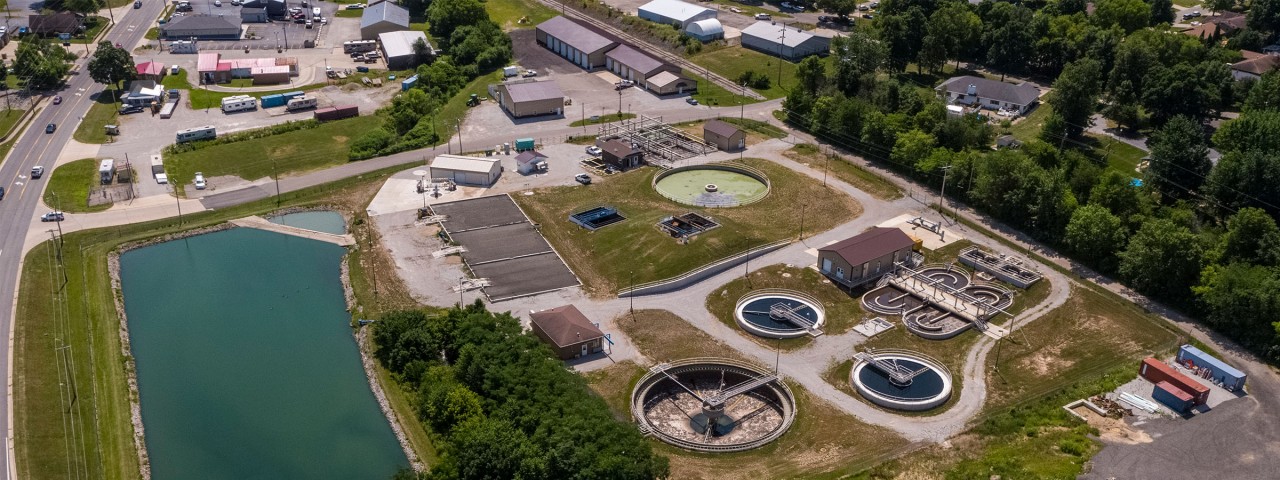
The Town of Monticello, Illinois operates a wastewater treatment facility serving a growing community in Piatt County. Like many small-to-midsize utilities, the team faced an elusive but critical challenge—detecting and responding to inflow and infiltration (I/I) impacts that don't always show up during storm events.
The Context
Light rainfall often felt like a non-threat to the collection and treatment system, but saturated ground conditions were still contributing to hidden surges in influent flow. Without real-time insights or predictive context, Monticello's team couldn't confidently make early operational decisions—until now.
The Challenge
Detecting Hidden I/I Events
The facility needed a way to distinguish between routine operational changes and environmentally driven I/I activity, especially during periods of light or intermittent rain.
These low-visibility events, particularly after multi-day ground saturation, were leading to unnoticed increases in flow and stress on the system.
The plant lacked an efficient way to detect these signals in advance and adjust processes accordingly.
The Solution
AI-Powered Data Readiness with Aquaspec
Aquaspec deployed a comprehensive data readiness assessment and I/I intelligence model using 3.28 years of flow, operations, and water quality data from the Monticello WWTP. With daily flow data over 99.8% complete and near-perfect temporal consistency, the team was able to map baseline diurnal flow profiles and detect non-obvious I/I contributions associated with:
Hidden I/I Detection
Light rainfall following periods of high soil saturation
Off-Hour Surge Analysis
Early morning surges not aligned with normal usage patterns
Base Flow Monitoring
Day-to-day increases in base flow not linked to population-driven demand
These insights allowed the Monticello team to operationalize earlier, adjusting staffing, aeration, creating capacity in surge tanks and lift stations, and optimize holding strategies based on real-world predictive signals, not weather assumptions.
Key Results
Clear & Transformative Impact
Hidden I/I Detection
Events detected even during light rain (<0.25") following multi-day wet soil periods
Earlier Adjustments
Operational adjustments initiated hours before peak influent volumes, improving process control and COMPLETELY PREVENTING combined sewer overflow (CSO) events
Predictive Forecasting
Flow forecasts identified threatening conditions up to 12–18 hours before traditional indicators showed stress
Reduced Risk
Reduced risk of expensive process upsets and permit excursions, especially during seasonal wet periods
The Outcome
Monticello's team is now operating on foresight, not just hindsight. By leveraging high-readiness flow data and applying it to I/I behavior, they've gained the power to act before the system shows stress.
This approach gives small utilities the tools to compete with the responsiveness of much larger systems—without the cost. This is what modern wastewater operations look like: data-driven, environmentally tuned, and always one step ahead of the threat.
"We used to wait and see. Now we move early, even before the rain gauge says we should. That's the difference.
Ready to Transform Your Utility Operations?
See How Aquaspec Can Help Your Facility Stay Ahead of I/I Events
Like Monticello, your utility can leverage AI-powered intelligence to detect hidden infiltration, prevent overflows, and optimize operations before problems become crises.